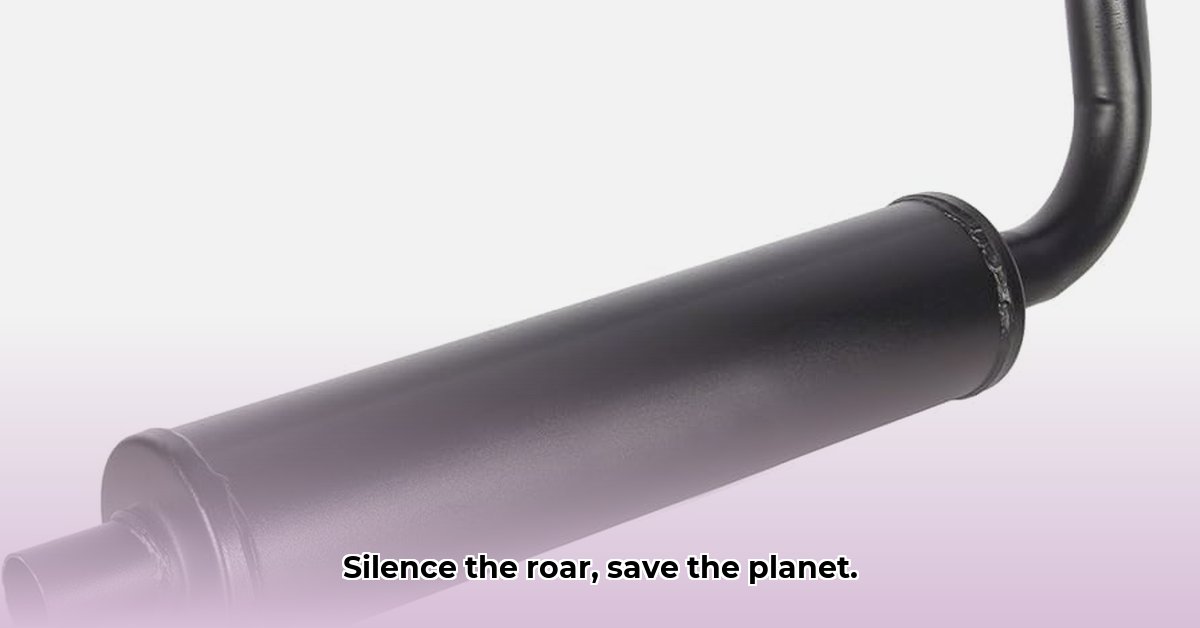
Imagine a tractor muffler, that seemingly unremarkable metal cylinder; it hums a quiet song of efficiency, but it also whispers a dirge of environmental costs – in its creation, its use, and its eventual demise. We tend to overlook these metal components, yet they represent a significant, and often unacknowledged, piece of the larger agricultural puzzle. This article explores the journey of a tractor muffler from its creation to disposal, highlighting opportunities for significant sustainability improvements at each stage. For more on tractor operation, see this guide.
The Problem: A Noisy, Resource-Intensive Reality
Tractor noise pollution significantly impacts both operator health and the surrounding environment. Prolonged exposure to loud engine noise contributes to hearing loss in farmers. Furthermore, the manufacturing and disposal of conventional tractor mufflers consume considerable resources and generate waste. But how significant are these impacts? A recent study, while lacking comprehensive quantitative data, suggests a substantial environmental footprint connected to the current production methods and material choices employed in manufacturing traditional tractor mufflers. This raises a crucial question: how can we minimize the environmental impact of these vital components while ensuring efficient tractor operation?
The Current Landscape: Meeting Minimum Standards, Missing the Mark
Current tractor muffler designs primarily focus on meeting minimum noise and performance standards. While manufacturers excel at producing mufflers that function as intended, there's a considerable gap in addressing their sustainability. Many options exist, but few prioritize minimizing their environmental footprint over the lifetime of the product. Although companies like Stanley Muffler (and others) provide reliable and functional products, the environmental costs associated with their production, use, and disposal remain a concern. This highlights the need for a paradigm shift towards sustainable practices throughout the entire muffler lifecycle.
Opportunities for Improvement: A Lifecycle Approach
Let's trace a tractor muffler's journey, from its raw materials to its final resting place, identifying areas ripe for improvement:
1. Sustainable Material Selection: Most mufflers are made from aluminized steel, a durable but energy-intensive material. This begs the question: Could we significantly reduce the environmental impact by substituting recycled steel, or exploring lighter, stronger alloys requiring less energy to produce? The potential for greenhouse gas emission reduction through material innovation is considerable.
2. Optimized Manufacturing Processes: Improving manufacturing efficiency is key. Can we reduce energy use and waste generation during the manufacturing process? Innovative techniques and lean manufacturing principles—along with a focus on minimizing waste—could drastically improve the overall sustainability of muffler production.
3. Design for Longevity: Longer-lasting mufflers translate to fewer replacements, directly reducing resource consumption and waste. Innovative designs could significantly extend muffler lifespan, potentially doubling or tripling their useful life. This also translates to significant cost savings for farmers while simultaneously benefiting the environment.
4. Advanced Noise Reduction Technologies: While current regulations focus on minimum noise levels, striving for significantly quieter tractors is achievable. Investing in research and development of advanced noise-reduction technologies would benefit both farmers and their neighbors, helping to reduce noise pollution through quieter operation.
5. Responsible End-of-Life Management: The current disposal practices—primarily landfilling—are unsustainable. We need to transition to designs that prioritize recyclability or explore methods for reusing components of spent mufflers.
Actionable Steps: A Collaborative Effort for a Greener Future
Transitioning to sustainable tractor mufflers necessitates a collaborative approach:
Original Equipment Manufacturers (OEMs): Invest in R&D to develop new, sustainable muffler designs and materials—prioritizing lifecycle assessment during the design phase.
Aftermarket Muffler Manufacturers: Increase transparency regarding the environmental impact of their products, emphasizing longer lifespan and lower carbon footprint mufflers.
Farmers: Prioritize purchasing durable, sustainably produced mufflers and explore exhaust rerouting options to minimize noise near the operator. Considering Total Cost of Ownership (TCO) including long-term environmental costs is vital.
Regulatory Agencies: Implement and enforce regulations that incentivize the adoption of sustainable technologies, potentially using tax incentives or subsidies to support eco-friendly muffler development.
Risk Assessment and Mitigation: Navigating the Challenges
While transitioning to greener mufflers offers significant environmental benefits, it's crucial to acknowledge and mitigate potential risks:
| Technology/Material | Risk of Failure | Environmental Impact | Economic Impact | Regulatory Compliance Risk |
|---|---|---|---|---|
| Aluminized Steel (Standard) | Low | Moderate | Low | Low |
| Recycled Steel | Low-Medium | Low | Medium | Medium |
| Novel Lightweight Alloys | Medium | Low-Medium | High | High (Pending Approval) |
| Bio-based Materials | High | Low | Very High | Very High |
This table offers a simplified risk assessment. Further research is needed for a complete understanding of the long-term implications.
The Regulatory Landscape: Preparing for Change
Regulations regarding tractor noise and emissions are constantly evolving. Staying informed about these changes is crucial for both manufacturers and farmers. Proactive compliance minimizes risks and positions businesses for future success.
Conclusion: A Quieter, Greener Future
The transition to sustainable tractor mufflers is not merely an environmental imperative but a strategic opportunity to enhance efficiency, reduce costs, and safeguard the well-being of farmers and their communities. By fostering collaboration amongst stakeholders, we can pave the way for a quieter, greener, and more sustainable future for agriculture.